
Ornaments of southern Africa, made by hand in Swakopmund
Long before gemstones were cut in Namibia, people here adorned themselves with what the land and trade brought them: shell from the coast, the hard nut of the makalani palm, carved bone, and the hair of the great animals of the plains. Some of those traditions are still worn with pride in the north of the country. We make a small number of pieces in them, by hand, in our Swakopmund workshop, and we want you to know what each one means.
The Omba shell
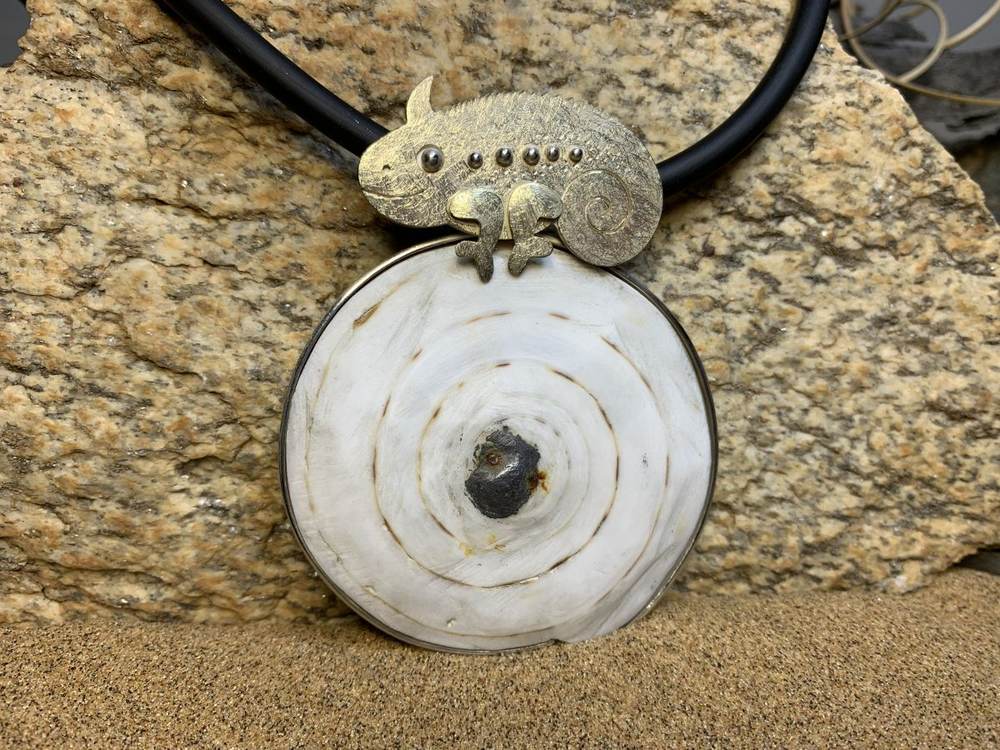
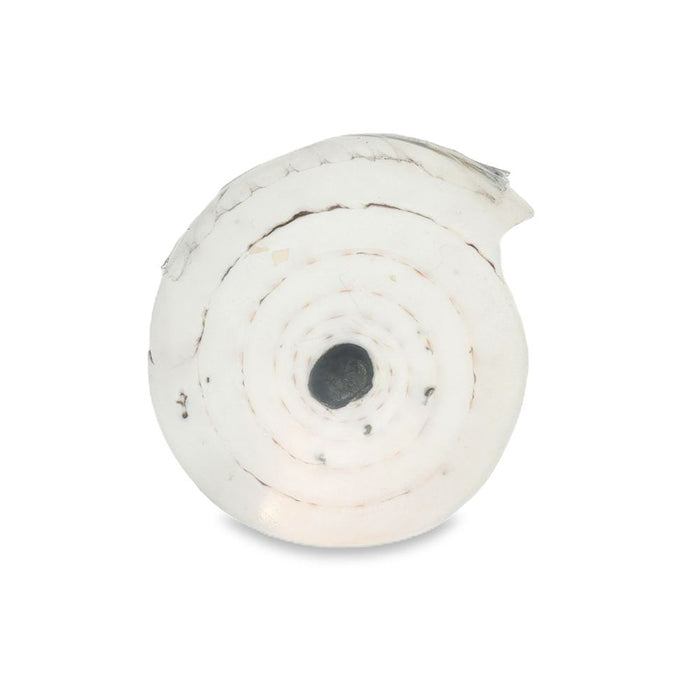
The Omba (also written Ohumba) is cut from the top of a large cone shell from the East African coast, traded far inland. These creamy discs with their spiral centre are valued adornments of Ovambo, Kavango and Himba women, traditionally worn as a sign of wealth on leather thongs around the neck, waist and arms. An Omba was once worth a cow or a calf, and when porcelain copies appeared, the real shell became scarcer and more precious still. Today they come only from old family collections, and ours do too, which makes every piece a small part of that history.
The Ekipa
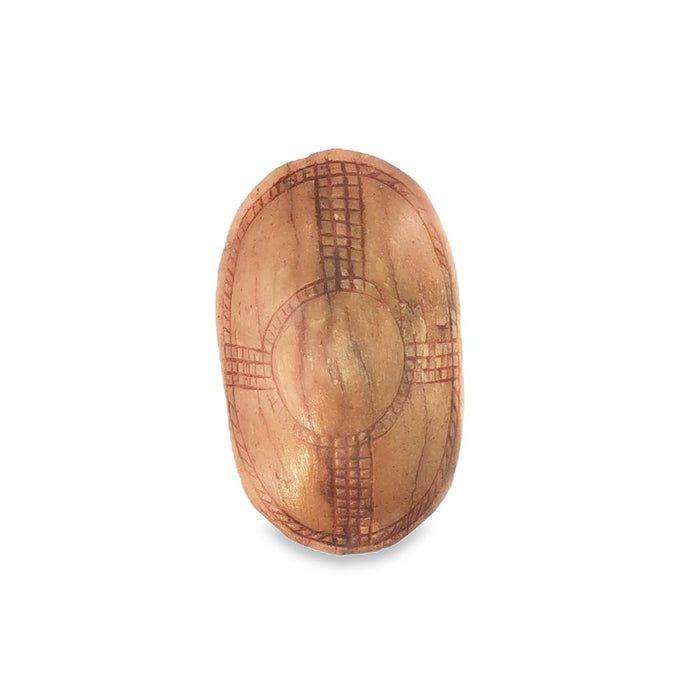
Ekipa are traditional Ovambo ornaments, worn by women on a belt or on strands of beads as ceremonial dress. A husband gives them and adds to them over the years, so they show the wealth and standing of the family. The shapes are old and recognisable. Traditionally each Ekipa was polished with sandstone, its carved lines darkened with aloe, and the whole piece rubbed with olukula, a red powder from the wood of the dolf tree, which gave it its warm red-brown patina. Our goldsmiths carve Ekipa from the nut of the makalani palm, which grows in the north of Namibia, and from cattle bone.
Elephant and giraffe hair
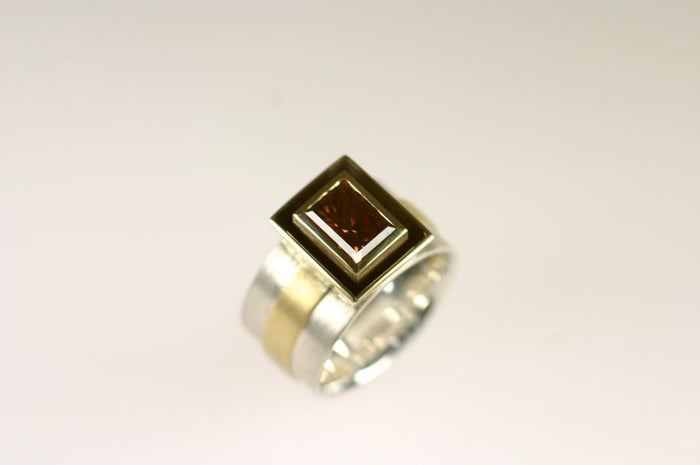
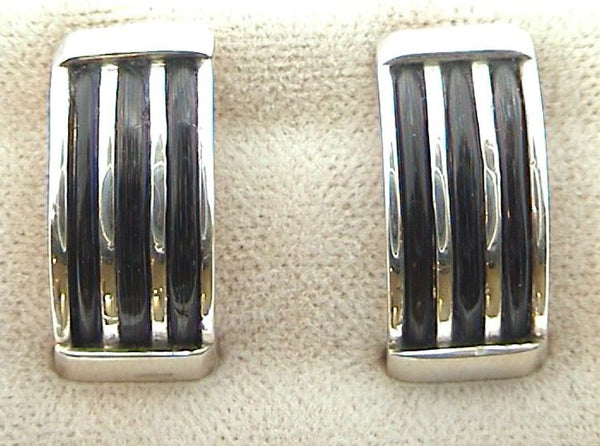
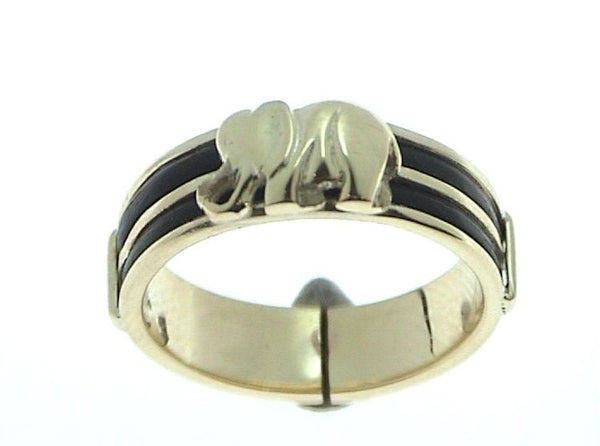
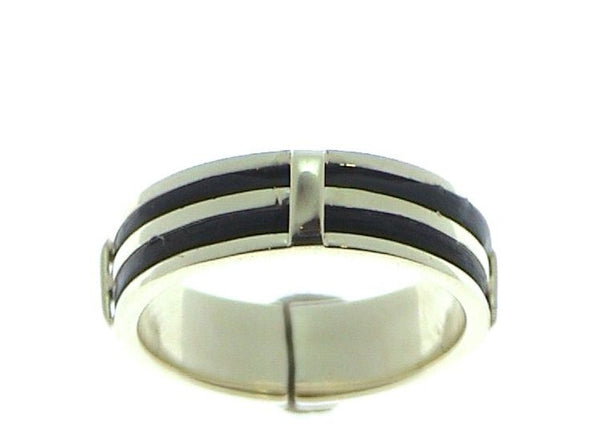
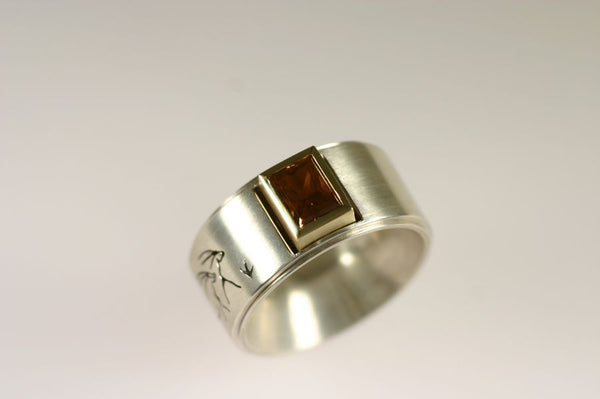
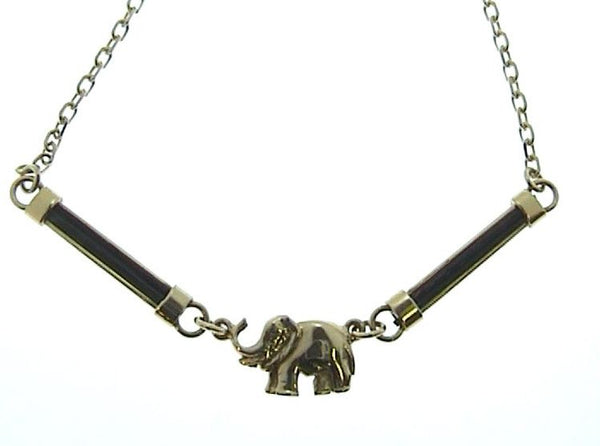
Our goldsmiths work elephant and giraffe hair by hand into rings and bracelets, often with gold or silver, as in the zebra-pattern rings of our Zebra Collection. The hair comes from Namibia, Botswana, South Africa and Zimbabwe, the four countries whose elephants international law (CITES) allows to be traded in hair, with permits.
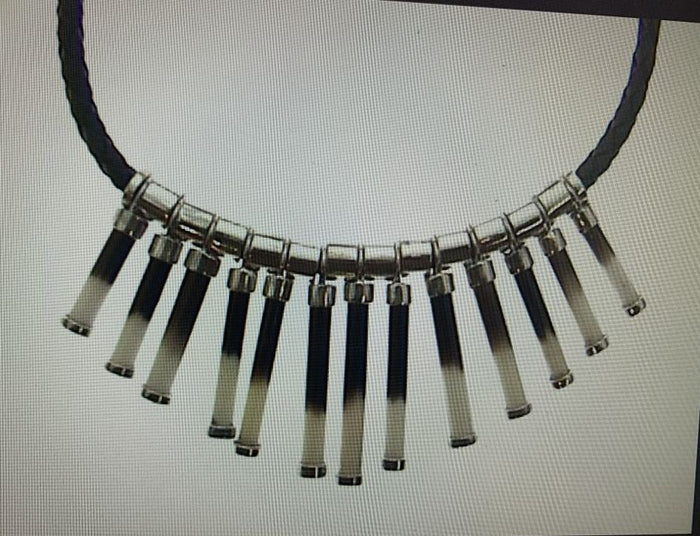
Porcupine quill
We also work porcupine quill, with its natural bands of cream and black, into a small number of pieces.
Hair work from our workshop
Where our materials come from
We source these materials only from licensed suppliers, and we keep the permits and invoices for them on file.
Made under licence
African Art Jewellers is registered with Namibia's Ministry of Environment, Forestry and Tourism as a trophy manufacturer (certificate TM0011/2026), licensed to obtain wildlife products and make and sell articles from them.
Caring for your piece
Shell, nut, bone, quill and hair are natural materials and softer than gemstones. Keep them dry, away from perfume, creams and cleaning products, and wipe them with a soft dry cloth. Store them apart so harder jewellery cannot scratch them.
See the collection
These pieces are not sold online. You can see the heritage collection in our Swakopmund galleries, where our staff can tell you the story behind each design.